
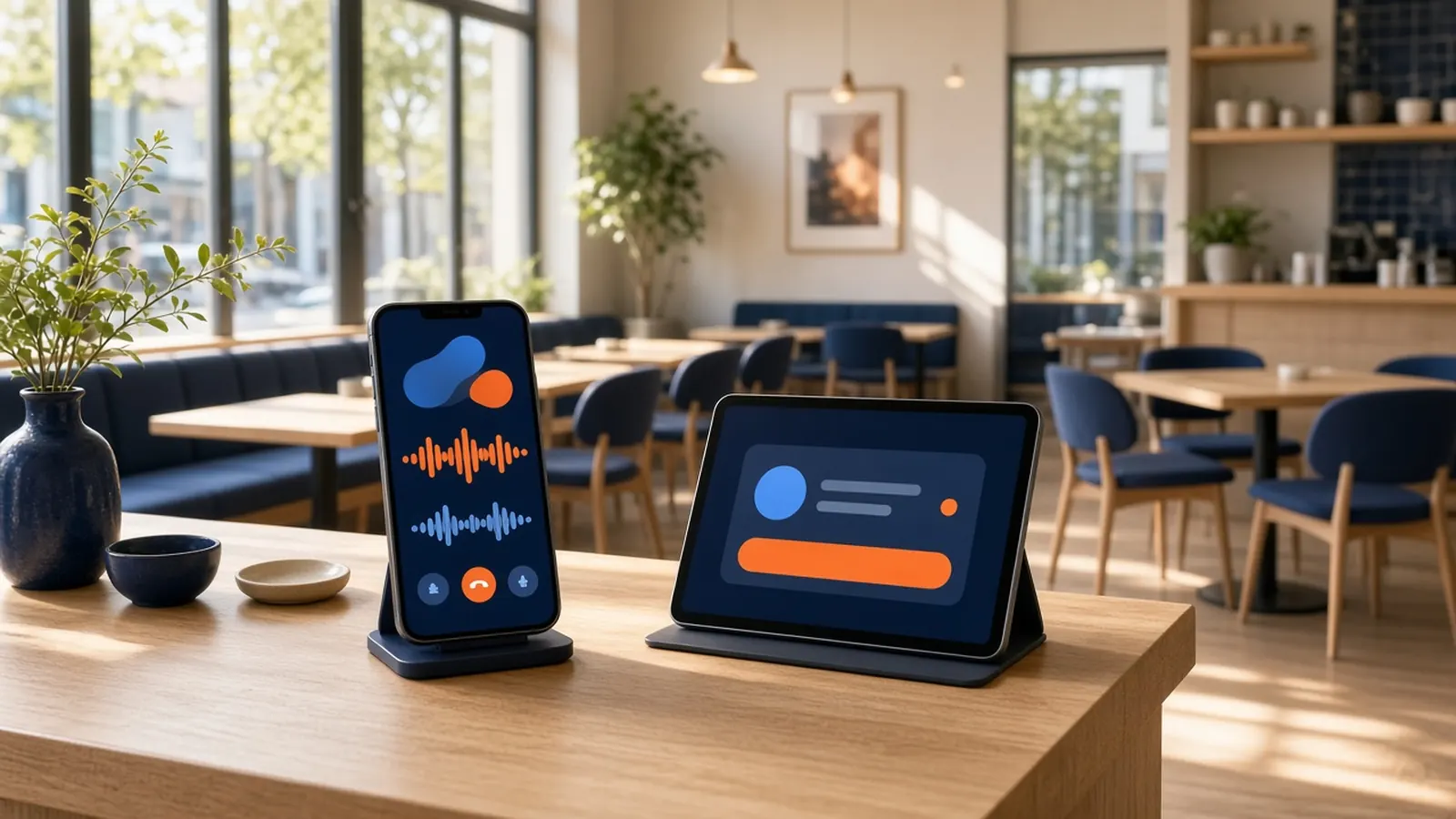
What a missed call actually is
A missed call during dinner is not a statistic you need from a study. It is a guest who wanted the usual order and got a busy tone or a voicemail they will not leave. Some call back. Some open a marketplace. Some drive to the next light. You will not get a perfect count. You can stand at the pass and hear the phone lose.
After close, the missed call is different. It might be a late order you do not want, or a regular planning tomorrow, or a wrong-number problem. A 24/7 restaurant phone answering service is valuable when it can take the order you would have taken, and when it can avoid promising the order you would have refused.
The cost is the remake you did not get to cook, plus the habit that forms when regulars learn the phone is decorative. You do not need a fake dollar figure to take that seriously. Ask the closer how many times the phone went unanswered last Saturday.
Coverage is a schedule problem
Staff coverage ends when the schedule ends. Overtime and a dedicated phone person are real choices with real wages. They are the right choice if the calls are messy, high-touch, and frequent enough to fund the role. They are a fantasy if you add the role on a poster and the person still gets pulled to the window.
A call center can sit on the line when you are closed. You pay for that sitting, often by the minute or the call, and you inherit their hold times and their version of your menu. Read the after-hours script. If it only takes a message, you bought an answering machine with a headset.
An agent that lives on your menu can answer whether or not the closer is plating. That is the 24/7 restaurant phone answering service shape that matches a small crew: the line stays live, the ticket matches the website, and you are not staffing a desk for the phone.
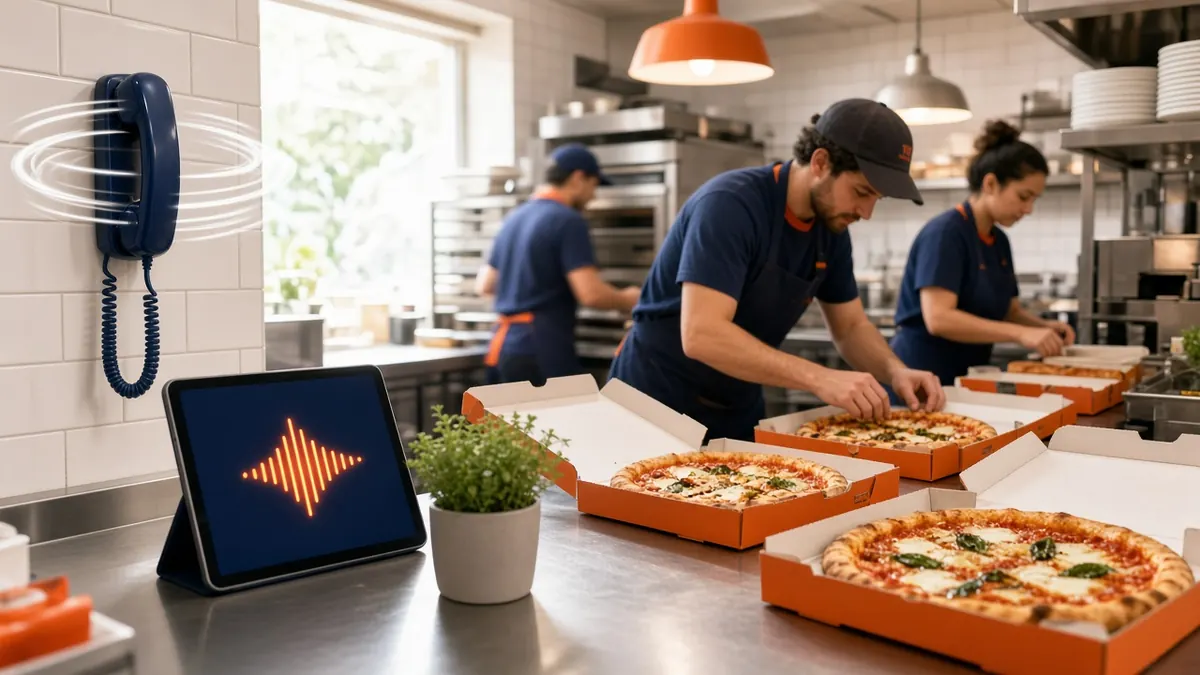
What Sky AI will and will not do overnight
It will try to take a real order: items, modifiers, pickup or delivery, payment, print. It will do that without a per-minute bill. It will not invent a catering contract or a table hold. If a guest needs a person, they still need a person. Publish the number and the expectation.
Pair it with hours. The storefront can refuse orders when you are closed. Use that. A 24/7 answer is not the same as a 24/7 kitchen. Guests can hear that you are closed and still be treated like you picked up. That is courtesy. Cooking a pizza at 4 a.m. because a bot said yes is a management failure.
Payment before print matters more after hours, when nobody is there to chase a no-show. The keypad keeps the card off the audio. The kitchen, in the morning, should see paid tickets only.
- Answer the order calls you would have taken.
- Refuse, via hours, the orders you would not cook.
- Print paid tickets on the normal printer.
- Keep a human path for non-orders.
- No per-minute fee on the inbound agent.
How to talk about 24/7 without overclaiming
Say the phone is answered around the clock for orders. Say the kitchen follows posted hours. Those two sentences can both be true, and together they are a 24/7 restaurant phone answering service a health inspector and a guest can understand.
Do not say a person is in the building if the building is empty. Do not say every question is in scope. Accuracy is the feature. Guests forgive a clear boundary. They do not forgive a promised tray that never comes.
Put the same hours on the Google listing, the website, and the phone behavior. Three clocks is how 24/7 becomes an argument.
Turn it on after a daytime test
Enable Sky AI on an afternoon you can listen, not on a holiday eve. Place a call. Order the annoying item. Pay. Read the ticket. Then let it cover a real rush before you depend on it overnight. How it works is the storefront sequence. The phone switch is in Integrations.
Ask the opener what printed while you were gone. If the tickets are right and the hours held, you have the service. If not, fix the menu or the hours before you put 24/7 on a poster.
The win is a line that does not train guests to hang up. A 24/7 restaurant phone answering service is that line, tied to a kitchen that only promises what it will cook.