
August 30, 2026
The Best ChowNow Alternative: Branded Online Ordering in 10 Minutes
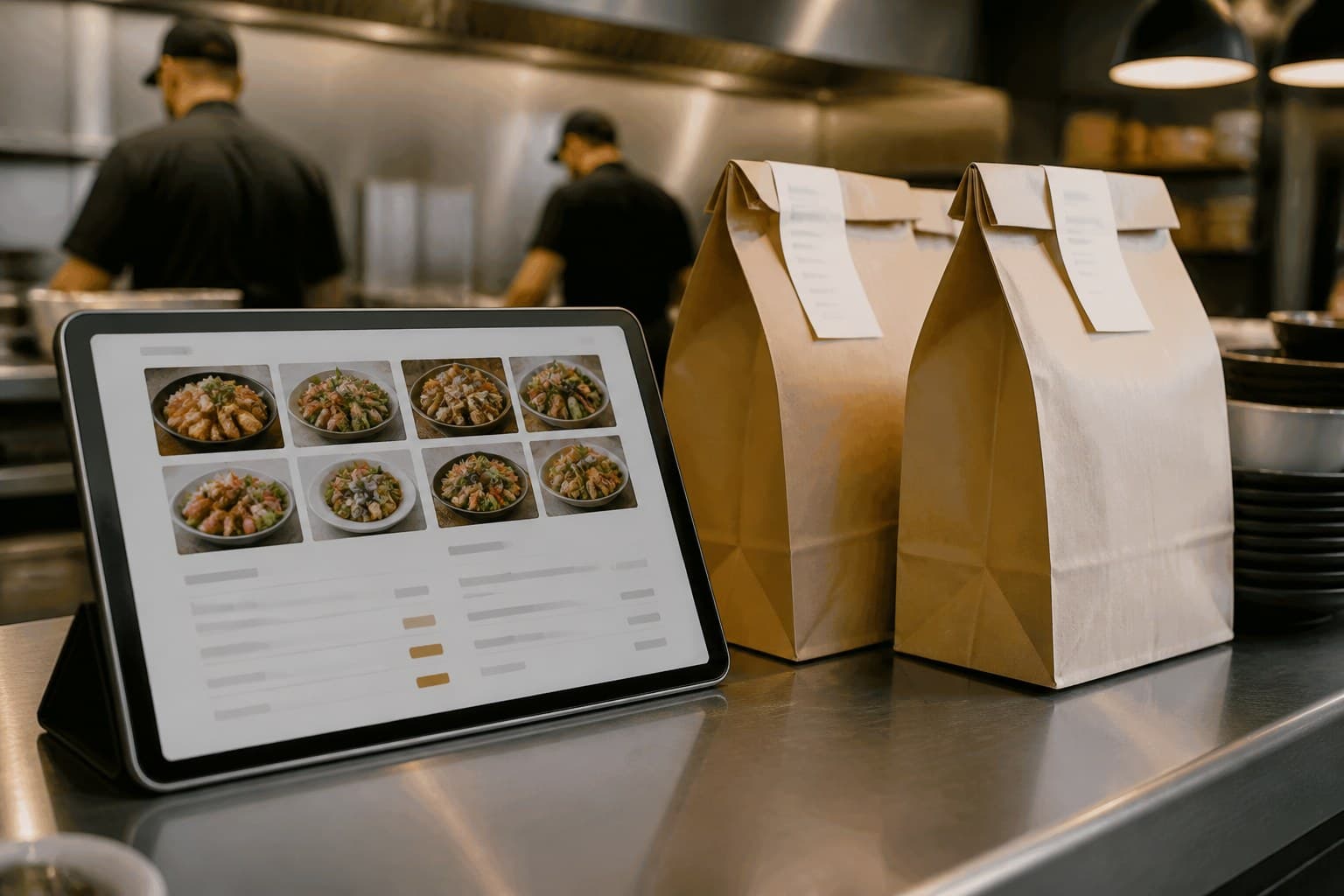
ChowNow alternative: branded white-label online ordering in about 10 minutes: your processor, your printer, published MicroSky Food plans.
Read moreBlog
Investigations for independents: how ChowNow-style branded ordering, pizza storefronts, and white-label checkout compare to a 10-minute storefront.
August 30, 2026
ChowNow alternative: branded white-label online ordering in about 10 minutes: your processor, your printer, published MicroSky Food plans.
Read more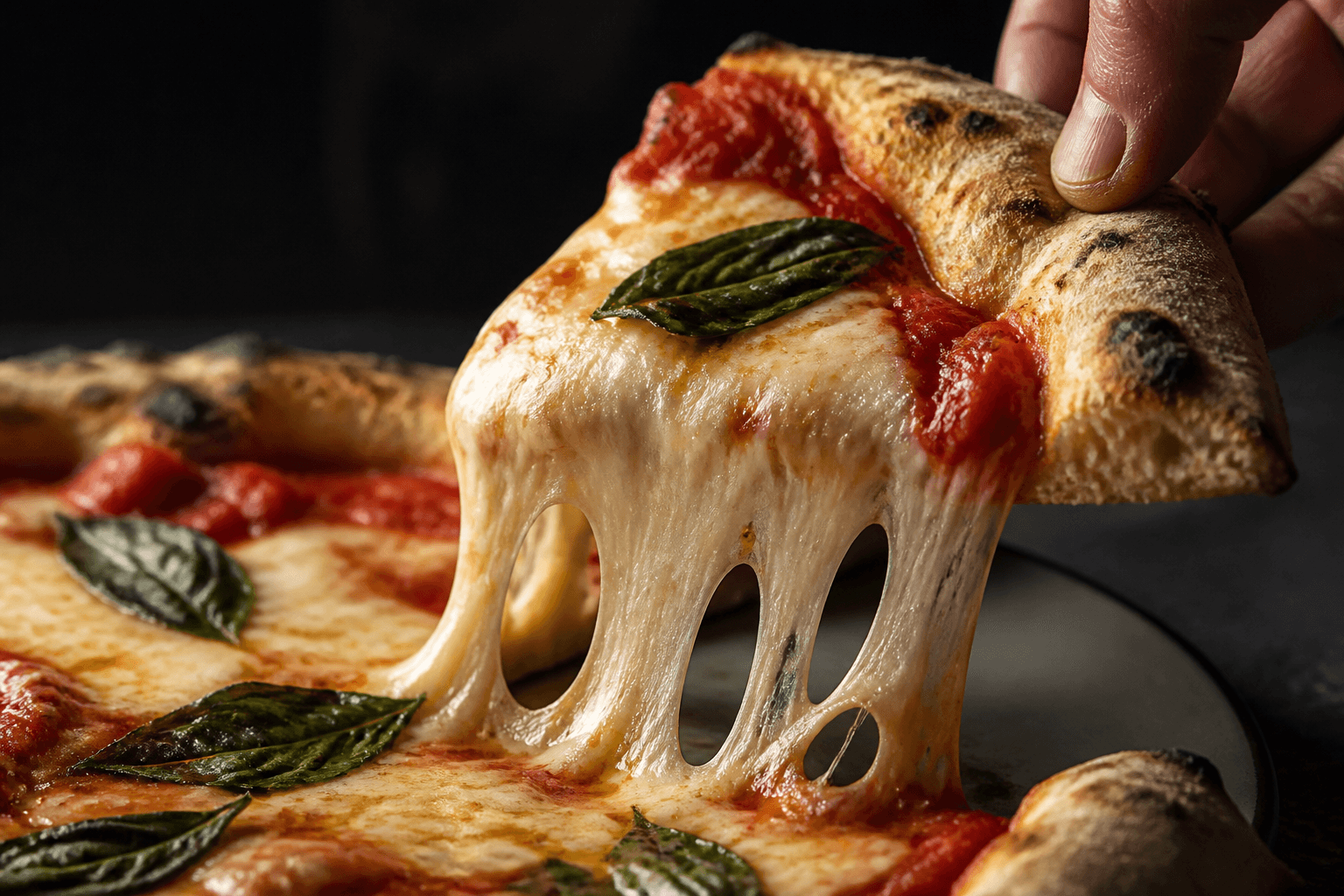
August 31, 2026
Pizza online ordering software for independents: sizes, toppings, half/half, delivery zones, and the lunch-rush phone line: branded storefront, your processor, published plans.
Read more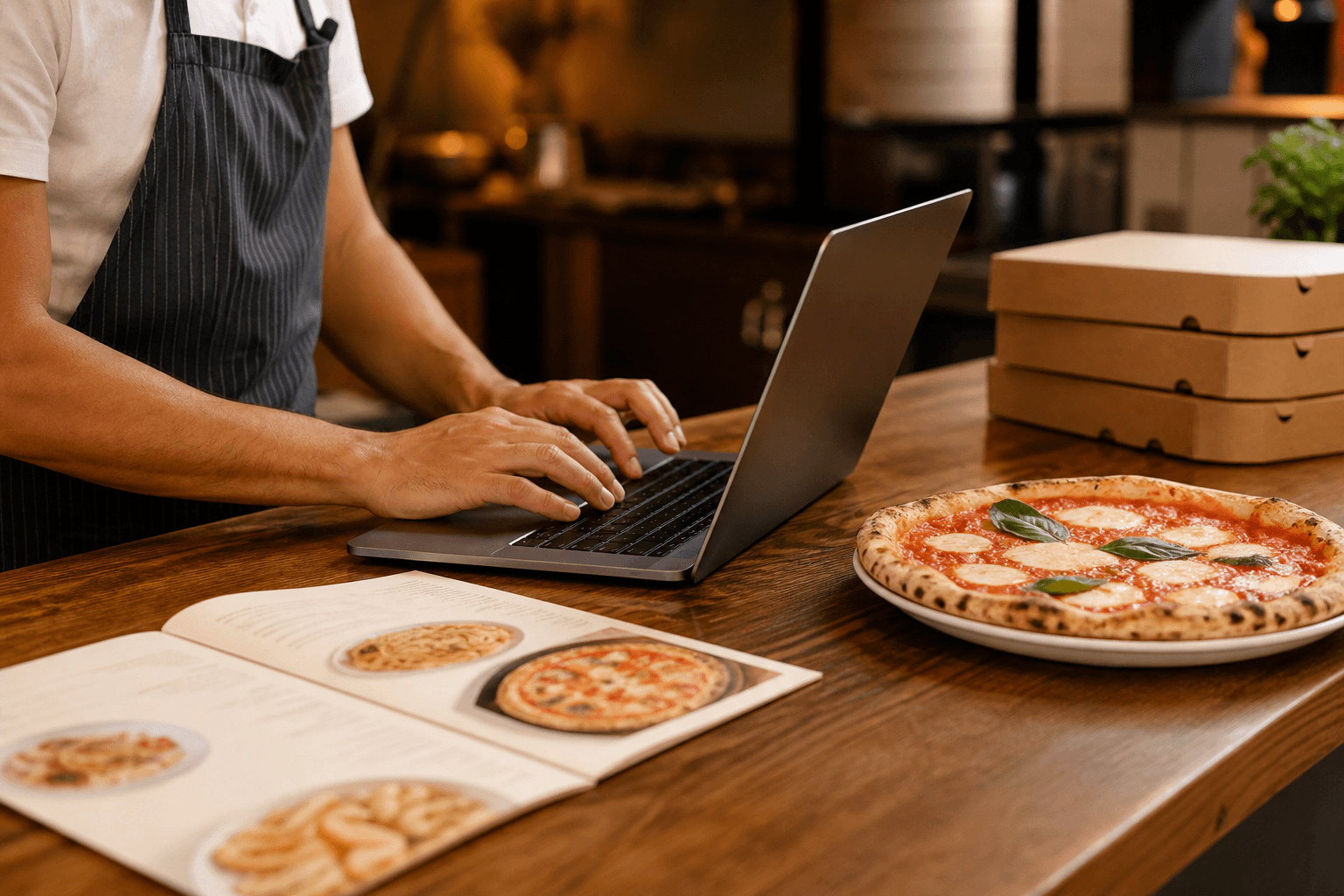
August 31, 2026
White label online ordering means guests pay on your domain: your guest list, loyalty, and brand, not a DoorDash or Slice marketplace listing.
Read more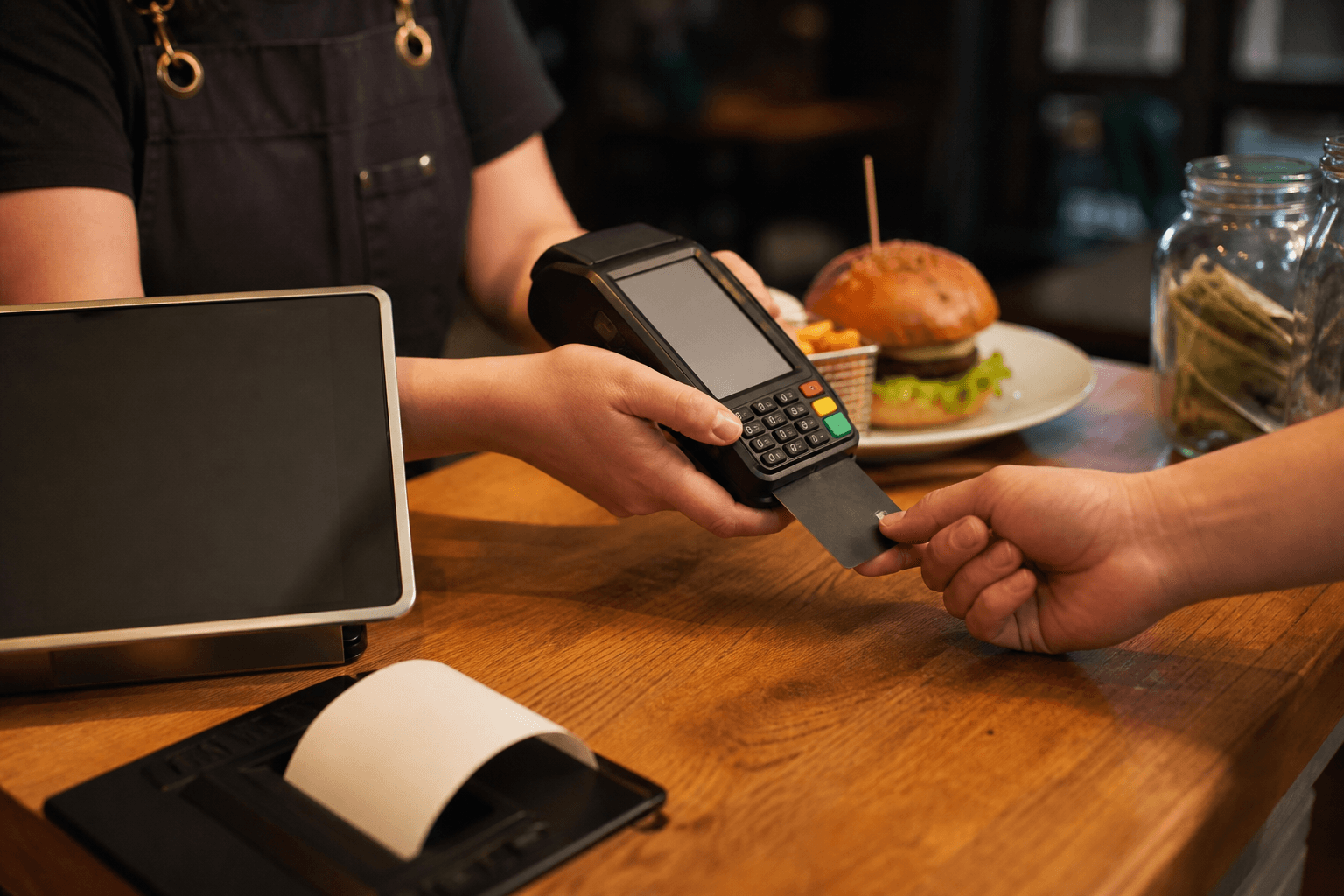
August 31, 2026
White label restaurant ordering is the kitchen side: live tickets, printers, staff roles, and admin, not a marketplace tablet blinking on the counter.
Read more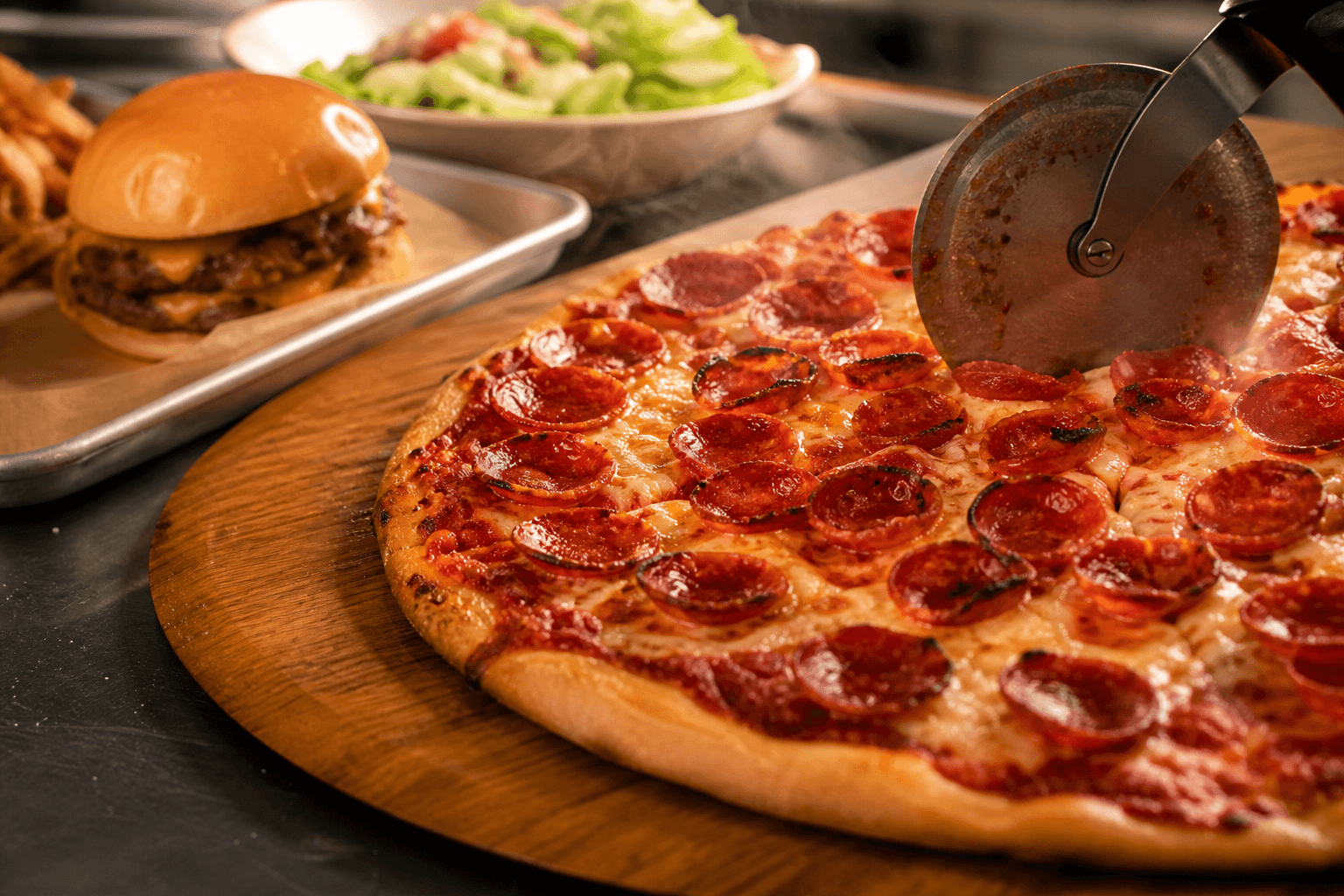
October 19, 2026
Halloween restaurant special offers for independents: costume discounts, a themed limited-time menu, and a last-minute text to your own guest list.
Read more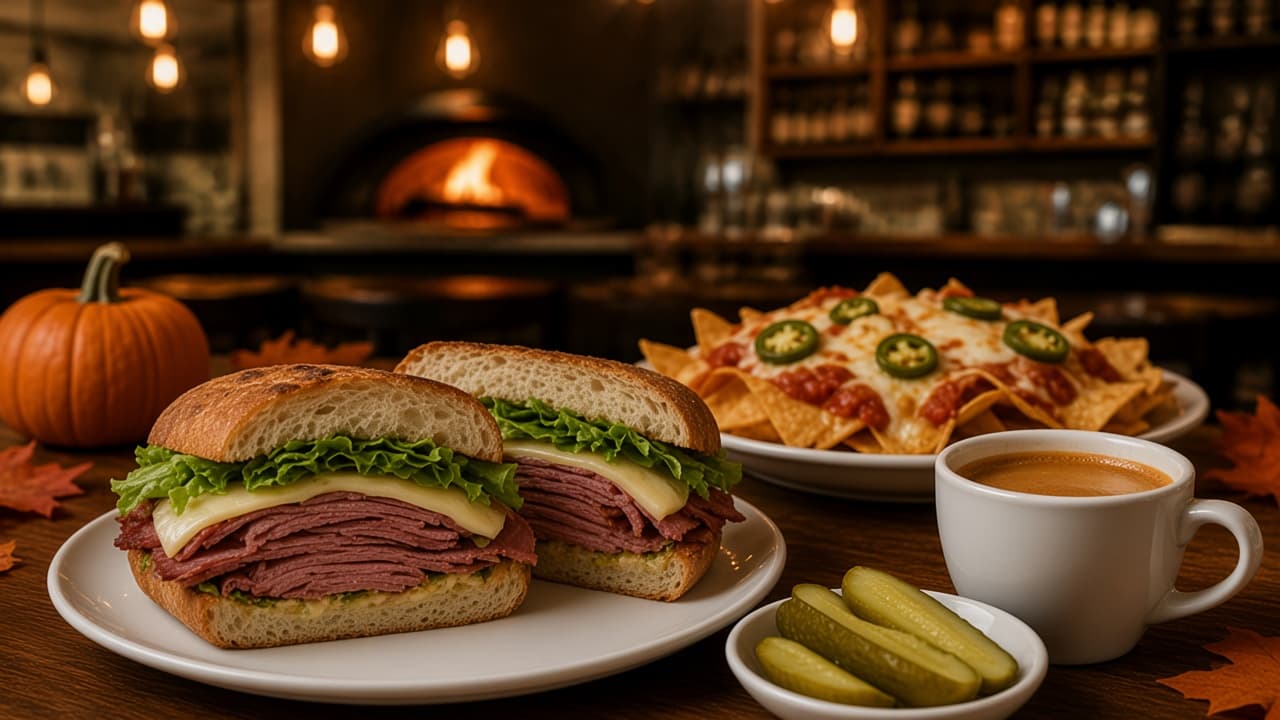
October 20, 2026
November food holidays for independent restaurants: the 2026 calendar, a promo for each date, and a ready-to-send SMS or email to your own guest list.
Read more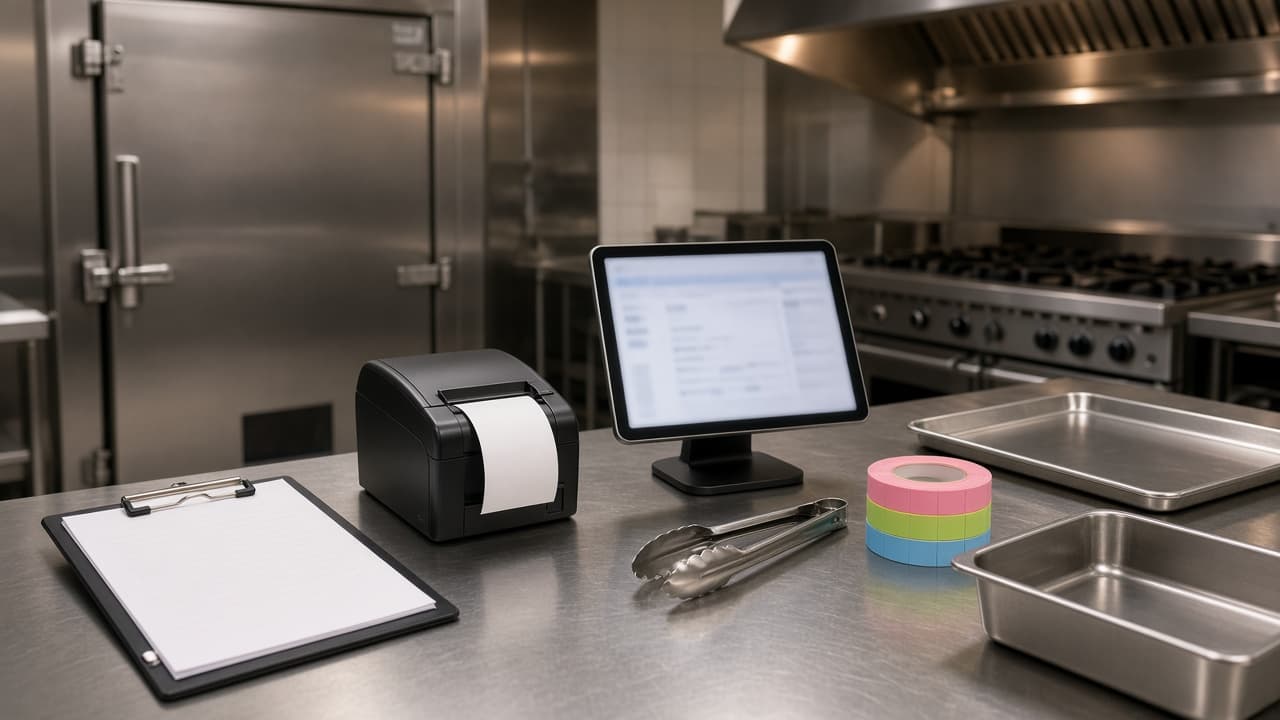
October 21, 2026
A commercial kitchen equipment checklist for a new or remodeled restaurant: cooking, refrigeration, prep, smallwares, safety, and online-order printing.
Read more
October 22, 2026
What is MP on a menu? Market price means today's cost, not a printed number. Set a daily price, show sizes, and keep online guests from a surprise at checkout.
Read moreIndependent restaurant owners often overlook the long-term financial impact of hidden fees associated with comprehensive POS systems. Beyond the upfront hardware costs, subscription tiers, payment processing markups, and monthly software maintenance fees can significantly erode profit margins over time.
For example, while a bundled POS might seem convenient, the cumulative cost of per-order commissions and mandatory proprietary hardware upgrades often exceeds the price of a modular, white-label ordering solution. Analyzing these recurring expenses is essential for operators looking to improve their bottom line without sacrificing service quality.
Minimizing payment processing fees is a critical step for restaurants aiming to regain control over their digital revenue. By decoupling the online ordering system from a specific payment processor, operators can negotiate better rates and avoid the inflated transaction fees typically charged by all-in-one POS platforms.
Integrating a flexible ordering system allows businesses to retain their existing merchant accounts and hardware, effectively eliminating the need for expensive system replacements. This approach ensures that more revenue stays in the restaurant's pocket rather than being diverted to third-party providers through excessive processing surcharges.